Recognising the Distinction and Benefits Between Tree Trimming and Pruning
The tree trimming and pruning have somewhat distinct functions, even though the phrases are frequently used synonymously. The major goals of tree trimming are usually to preserve a tidy structure, manage overgrown branches, and shape the tree's exterior. It is frequently done for aesthetic purposes as well as to keep branches from obstructing electricity lines, roads, or buildings. To promote healthy development, it entails cutting off branches that are sick, dead, or injured.
Providing Safety in Urban and Residential Settings
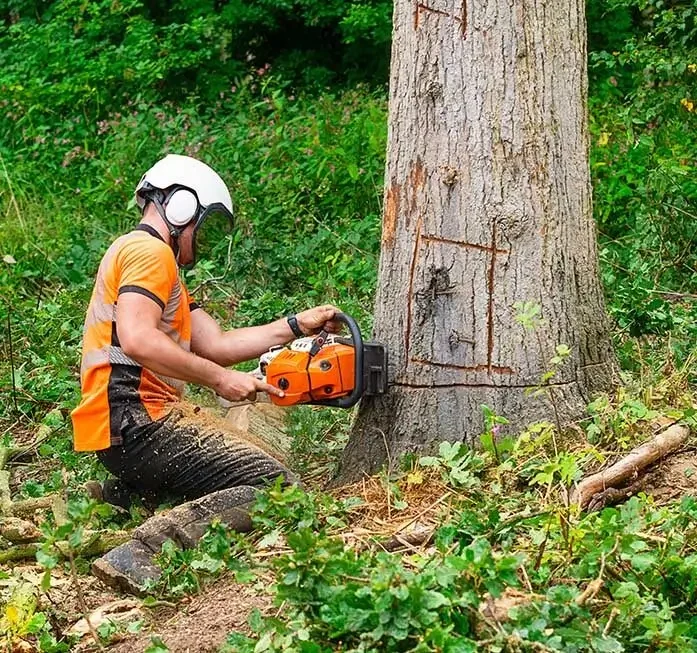
Expert tree cutting services evaluate the state of trees and decide whether removal is required to mitigate any risks. Trees may grow dangerously close to houses, highways, or electricity lines in urban settings. Controlled trimming is necessary to avoid mishaps and preserve public safety when branches grow too long or roots jeopardise foundations.
Safety is one of the main reasons tree cutting services are necessary. Dead, unsteady, or structurally compromised trees can collapse without warning, particularly during storms, strong winds, or periods of intense precipitation. Such occurrences may result in serious property damage or even injuries in residential areas.
Encouraging Ecological and Environmental Balance
Pruning and tree trimming are also important for preserving ecological equilibrium. Better soil quality, more biodiversity, and cleaner air are all benefits of healthy trees. Pruning helps trees maintain their stability and health, which enhances their capacity to offer these environmental advantages.
Pruning can also assist prevent invasive plants from taking over an area and upsetting native ecosystems. Humans may preserve a balance between environmental preservation and natural development by carefully controlling tree growth.
Preventing Infrastructure and Property Damage
Over time, trees that grow too close to structures, fences, roadways, or subterranean utilities may cause serious harm. While branches may damage siding, shatter windows, and scrape roofs, roots can interfere with drainage systems or foundations. Falling limbs can occasionally even interfere with communication networks or electrical wires.
By removing or decreasing troublesome trees before they create long-term harm, tree cutting services can reduce these hazards. This proactive strategy guarantees that infrastructure stays intact and operational while sparing property owners from costly repairs. It also contributes to the preservation of safe environments and unobstructed access ways.


Comments
Post a Comment